iOS, Android or web app: decide from the moment of use
The right platform is not the one with the newest label. It is the one that carries the most important journey reliably on the audience's devices and can be operated sensibly afterwards.
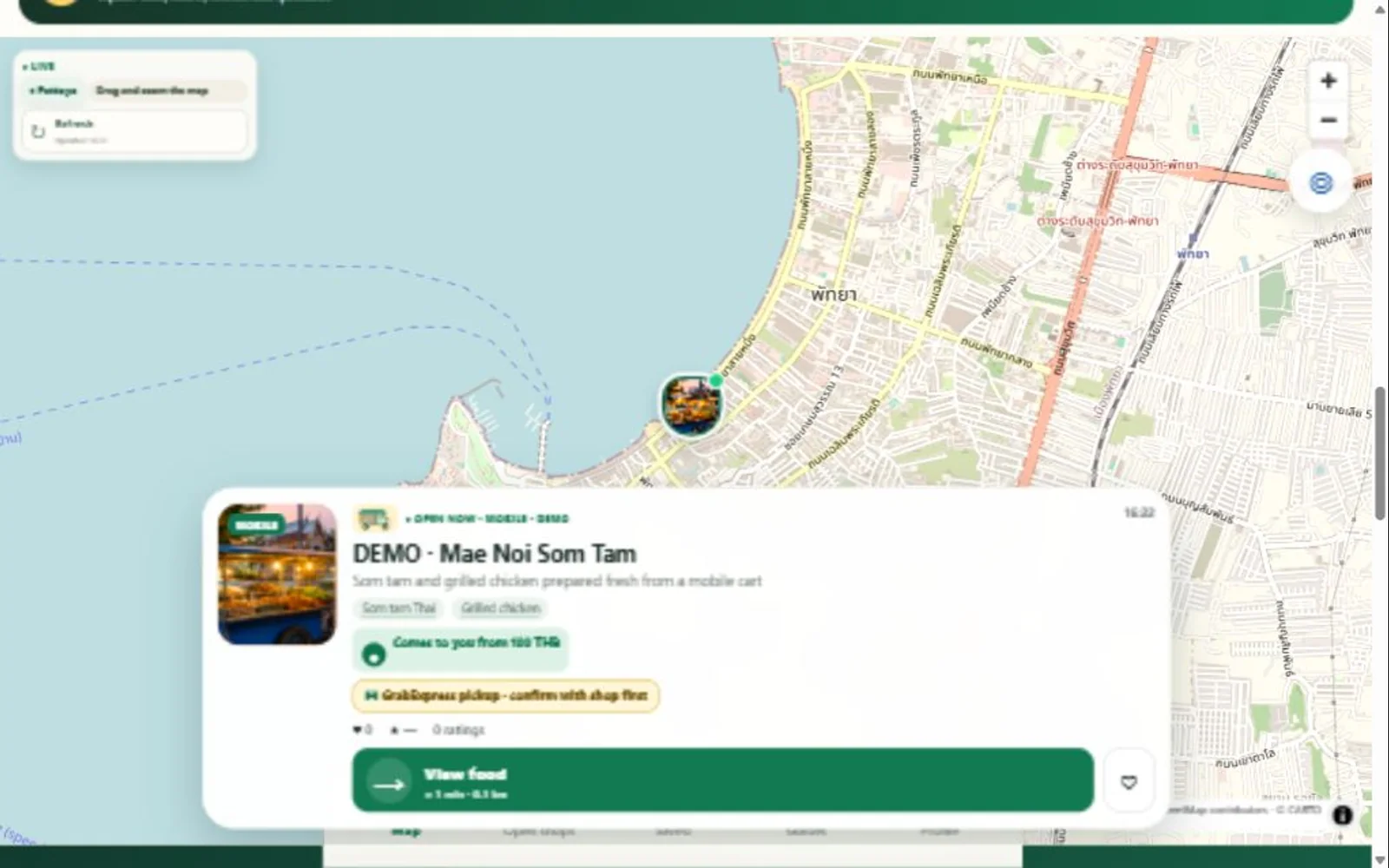
A native app is valuable when device capabilities, offline behaviour, notifications or store distribution define the product. A web app is strong when access without installation, rapid updates and broad reach matter more. Cross-platform can share development effort, but it does not remove platform testing.
We make the decision from the usage context rather than personal preference. Target devices, network conditions, sensors, identity, payment path, review process and the team maintaining the product all matter.
When native development makes sense
iOS or Android is a natural choice when camera, location, background work, push, Bluetooth or deep operating-system integration is essential. Expected store distribution may also be decisive.
Native development requires platform-specific quality assurance, release workflows and continuing updates. Those operating costs belong in the decision.
When a web app wins
A web app removes friction: open a link, complete the task, and avoid waiting for store review. It is a strong model for internal tools, booking flows, content products and many marketplaces.
Limits appear around certain device APIs, background behaviour and store expectations. Progressive Web App capabilities help, but do not replace an honest review of the core journey.
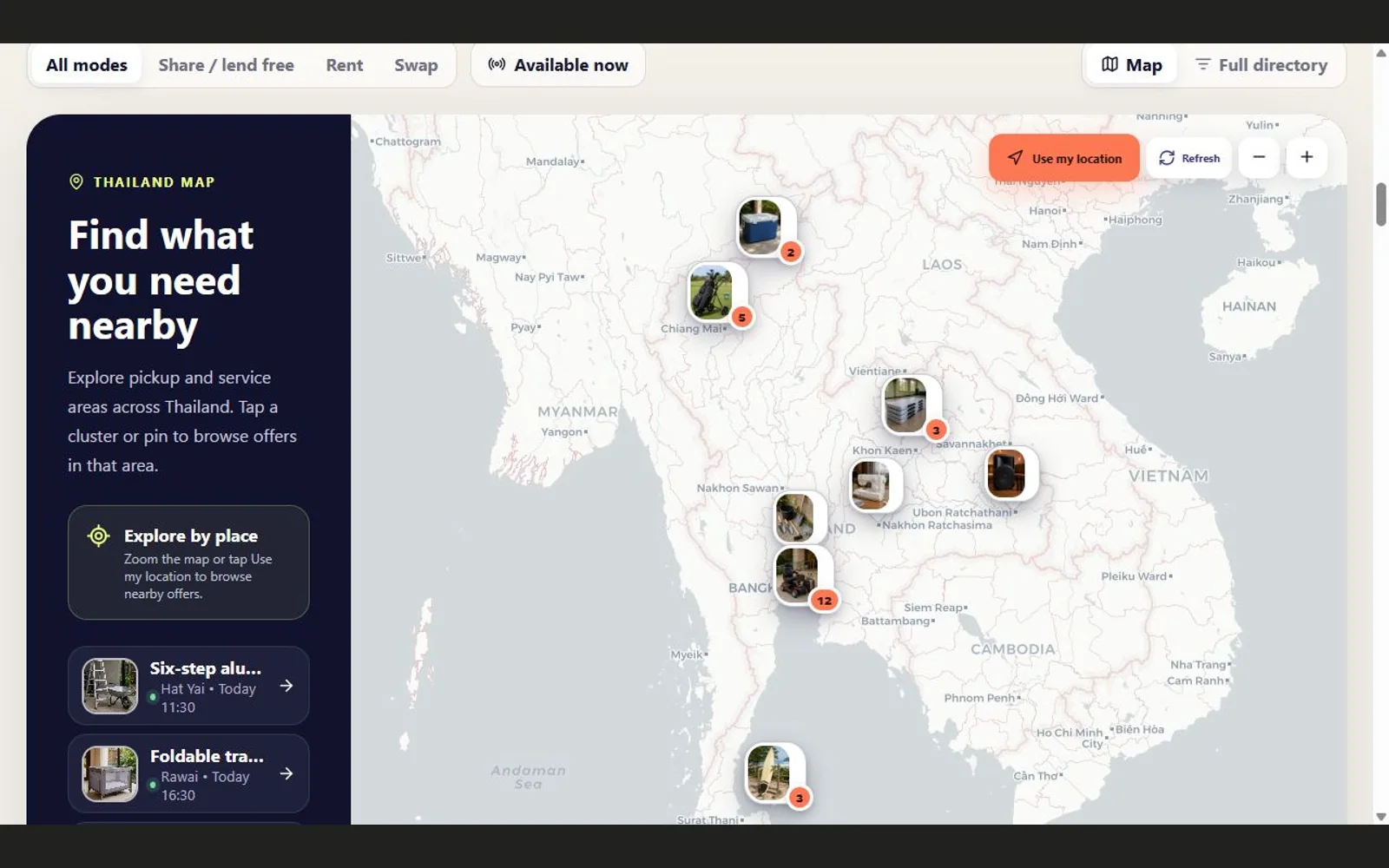
iOS or Android is a natural choice when camera, location, background work, push, Bluetooth or deep operating-system integration is essential. Expected store distribution may also be decisive.
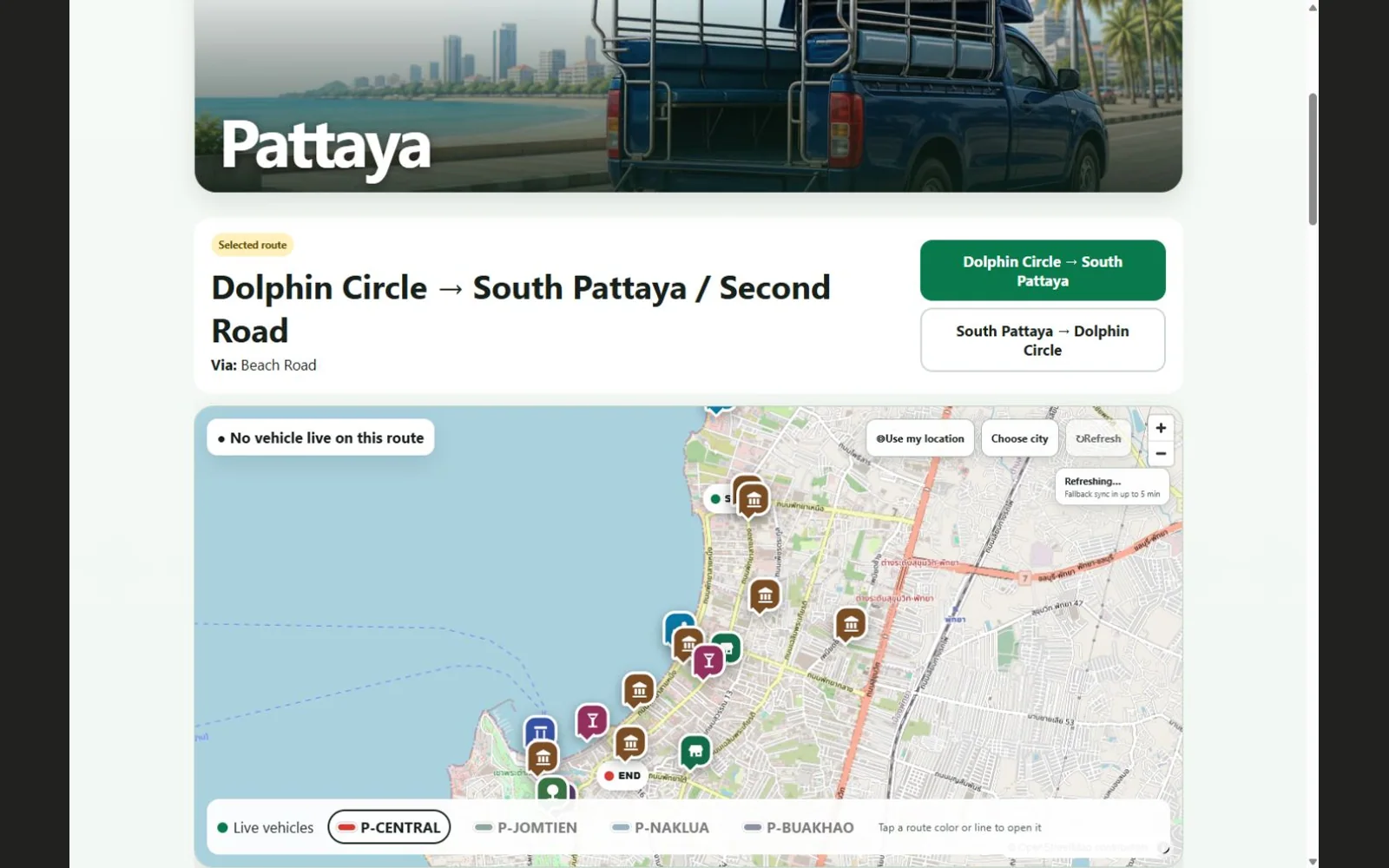
A web app removes friction: open a link, complete the task, and avoid waiting for store review. It is a strong model for internal tools, booking flows, content products and many marketplaces.
Cross-platform without the shortcut myth
Shared code can be useful when iOS and Android carry largely the same journey. Platform functions, accessibility, performance and release work remain real.
Architecture should isolate critical platform differences. A framework is not a business model and should not trap the team in a dependency it cannot maintain.
Test with a decision prototype
Before full development, build the riskiest journey as a prototype or technical spike. That may be camera upload, offline synchronization, a map, payments or a demanding form flow.
The platform decision becomes observable through device tests, integration reality and operating constraints rather than a generic pros-and-cons slide.
Questions for choosing a platform
Answering these questions avoids expensive detours.
- Which devices does the core audience actually use?
- Which device capabilities are essential?
- Must the core journey work offline?
- Is store distribution part of the business model?
- How quickly must changes reach users?
- Which platform skills can be maintained long term?
- Which technical risk will be prototyped first?
Technology follows responsibility
Steingraf Labs develops websites, web apps, iOS and Android products. The recommendation follows the job and operating model—not whichever service sounds larger.
View the related serviceReviewed primary sources
Platform rules change. Each guide therefore links to the official material behind its technical statements.