App brief and MVP: resolve the risk before building
A dependable app brief is not a collection of as many features as possible. It states who solves which problem in what journey and how the team will know that the first release works.

Many projects start with screens before decisions about users, data and operations have been made. That looks fast but moves the hardest questions into development. A useful brief exposes those uncertainties while changes are still cheap and reversible.
MVP does not mean cheap or unfinished. The first version must carry the core journey completely, clearly and safely. Everything else is deliberately deferred rather than half-included in the release.
State the job in one sentence
Start with a person, a situation and an outcome. ‘A platform for everything’ is not a product core. ‘A merchant can publish an offer on mobile and answer an enquiry’ can be tested.
That sentence guides navigation, data model and acceptance. If a feature cannot explain how it improves the core journey, it does not automatically belong in the MVP.
Roles, data and exceptions
The brief names real roles and permissions: visitor, customer, provider, editor or administrator. For every important action, define what data is created, who can see it and what happens when it fails.
Sign-in, uploads, location, payments, messaging and AI functions need an operating and privacy boundary early.
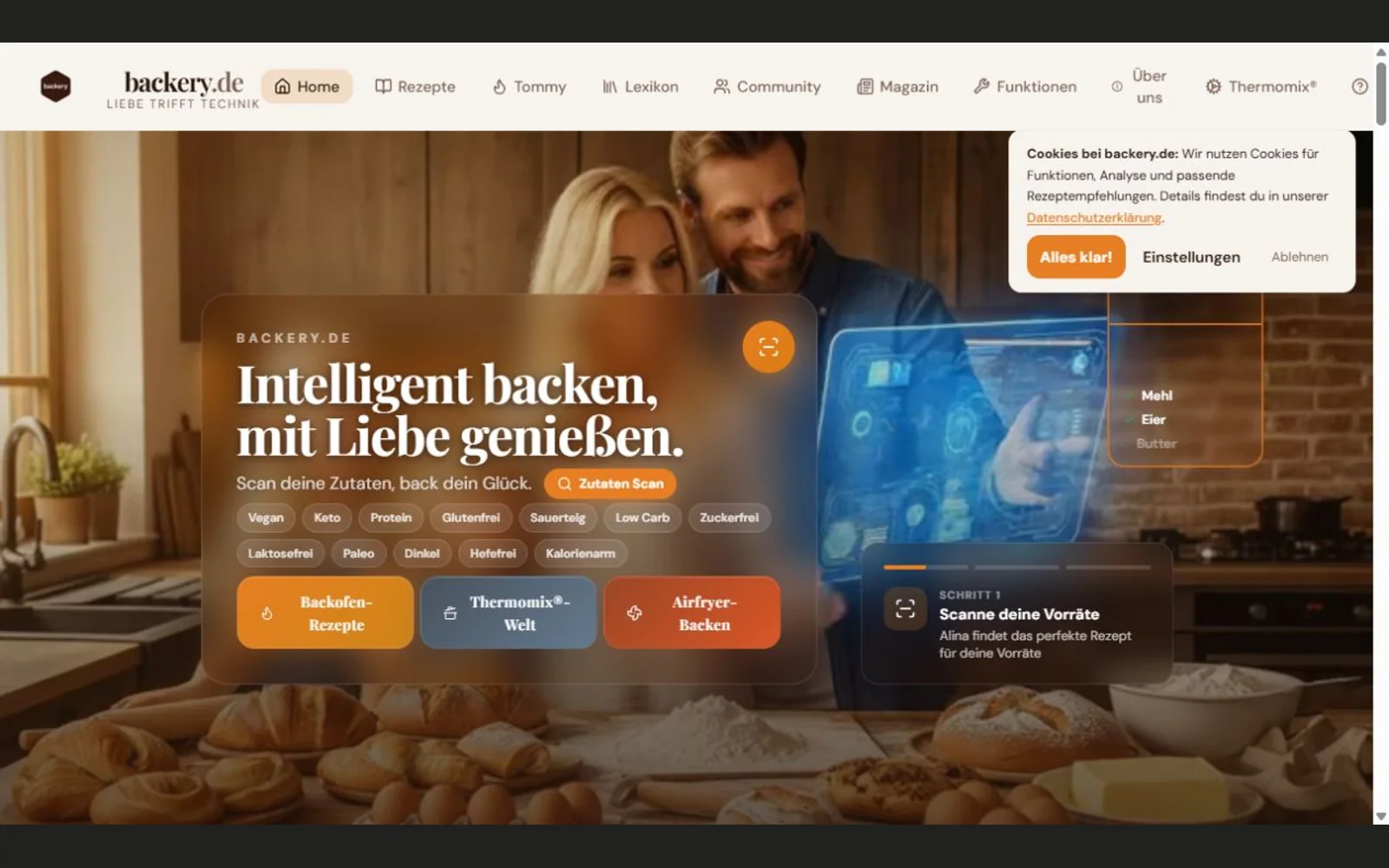
Start with a person, a situation and an outcome. ‘A platform for everything’ is not a product core. ‘A merchant can publish an offer on mobile and answer an enquiry’ can be tested.
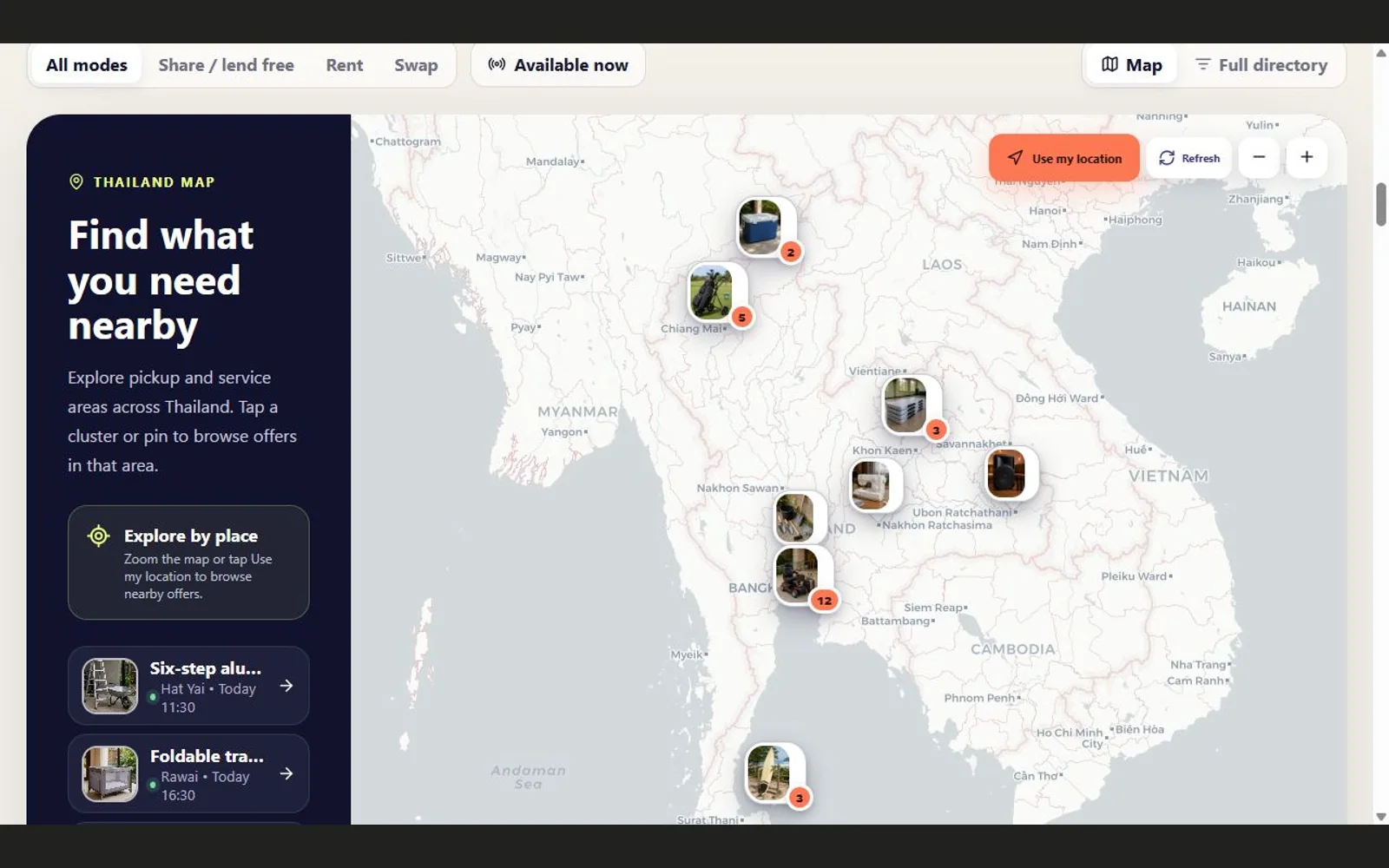
The brief names real roles and permissions: visitor, customer, provider, editor or administrator. For every important action, define what data is created, who can see it and what happens when it fails.
Define acceptance before development
‘Done’ is useful only when it can be tested. We describe the success path, important failure cases, supported devices and visible states for empty, loading and failed data.
Apple requires working URLs, complete metadata and reachable backend services during review. Google Play requires access to all app functionality, with the necessary sign-in details or instructions for restricted areas. Those requirements belong in the release plan, not the final night.
Plan beyond the MVP
An MVP needs ownership for support, defects, measurement and the next version. Without operations, even a strong build becomes stale quickly.
The backlog is ordered by observed behaviour and real requests. The roadmap becomes a sequence of reasoned product decisions rather than a wish list.
What belongs in the first brief
These points are enough for a serious first conversation.
- Audience and concrete starting situation
- One complete core journey
- Roles and permissions
- Required data and integrations
- Non-negotiable privacy or operating boundaries
- Acceptance criteria and supported devices
- Release and operating ownership
- Features deliberately out of scope
A good brief accelerates decisions
Steingraf Labs turns the idea into a journey, prototype, technical architecture and dependable first release. Planning stays narrow enough to build and open enough to learn from real use.
View the related serviceReviewed primary sources
Platform rules change. Each guide therefore links to the official material behind its technical statements.